 Kitchen
The lead story · Bedroom
For Centuries, People Talked About Their “First Sleep” and “Second Sleep”
Old diaries and court records mention a “first sleep” and a “second sleep.” A historian found more than 500 of them.
Read the storySunday Home · Vol. I 30 stories, filed by room Every fact sourced and linked
Browse by room
All roomsEvery story
30 stories · every fact sourced
Kitchen
 Kitchen
The Sponge You Clean Might Not Be Any Cleaner
Researchers checked 14 used kitchen sponges. The ones their owners regularly cleaned didn’t have fewer bacteria. Kitchen
The Date on Your Yogurt Probably Isn’t a Safety Date
A family of four throws out about $1,800 of food a year. Part of the reason is a date on the package that’s easy to misread. Kitchen
What a Volcano Scientist Figured Out About Your Coffee Grinder
A volcano scientist helped figure out why coffee grounds cling to everything. The fix scientists found is a drop of water. Laundry
The Number One Reason Dryers Catch Fire Isn’t a Broken Dryer
In federal fire data, the leading factor behind dryer fires isn’t a faulty machine. It’s something we simply skip. Bathroom
Your Toilet Might Be Leaking Right Now, Without a Sound
A worn toilet flapper can silently leak thousands of gallons a year. A few drops of food coloring and 10 minutes will tell you. Bedroom
By Code, a Bedroom Isn’t a Room With a Bed. It’s a Room With a Way Out.
In the model building code many U.S. towns use, the must-have for a bedroom isn’t a closet. It’s a way out, usually a window big enough to climb through.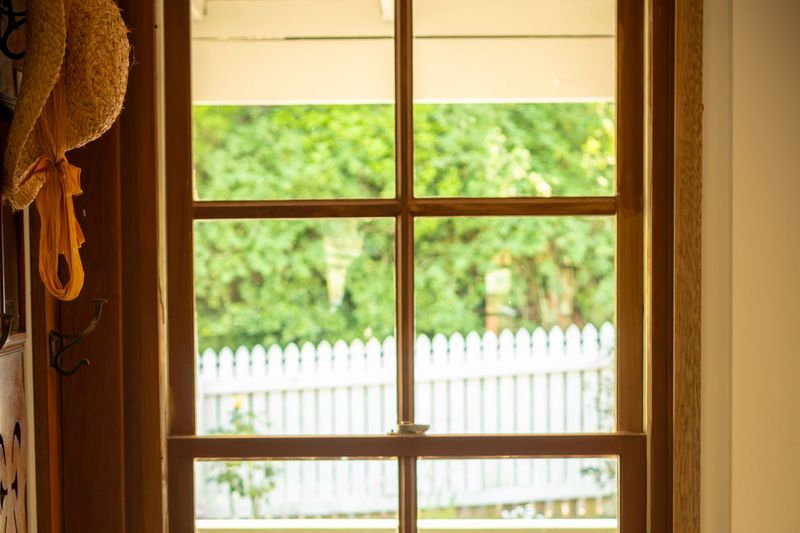 Living Room
Most of the Dust in Your Living Room May Have Started Outside
The dust on your coffee table may not be mostly “you.” One well-known model estimated over 60% of house dust comes from outdoors. Closet & Storage
The Moth You See Isn’t the One Eating Your Sweater
That little moth fluttering out of your closet isn’t eating your sweater. Its babies are, and they have a favorite flavor.The Desk That Faces the Window Looks Great. It’s Also the Wrong Way Around.
A desk facing the window is the dream setup. Federal workstation guidelines say turn it 90 degrees.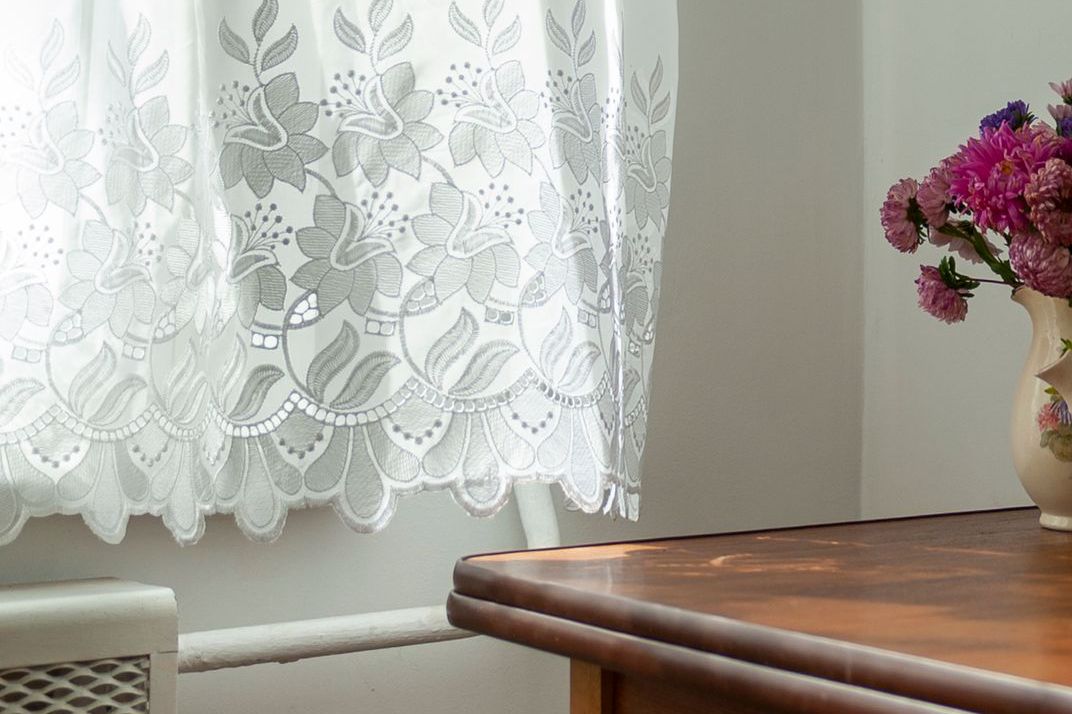 Kitchen
Scientists Ranked the Greatest Food Inventions. The Winner Is Covered in Magnets.
The plough, the knife, the oven: scientists weighed them all. Refrigeration won, and the microwave came 19th. Kitchen
Should Tomatoes Go in the Fridge? Scientists Tested It, and the Answer Is “It Depends on the Clock”
Chilling a tomato doesn’t just make it cold. In one study, a week in the cold switched down genes that make its flavor. Kitchen
The Indiana Town Where “Garbage Was Illegal”
In 1950, a flyer announced “Garbage is Illegal in Jasper.” That Indiana town helped change what’s under your sink. Bathroom
Engineers Pointed Green Lasers at a Flushing Toilet. The Spray Came Out “Like a Rocket.”
In a lab test, one flush of a lidless public-restroom toilet sent an invisible spray nearly five feet up in 8 seconds. Engineers filmed it with lasers. Bedroom
A Ceiling Fan in an Empty Room Is Cooling No One
Ceiling fans don’t cool rooms. They cool people. Leave one spinning over an empty bed and you’re just paying for the breeze. Living Room
Museums Treat Sunlight Like a Bill That Adds Up. Your Sofa Should Too.
To a museum conservator, a dim room for 800 hours fades fabric as much as a brighter one for 400. Light damage adds up. Kitchen
Scientists Ran 2,560 Tests on the Five-Second Rule. Some Bacteria Didn’t Need One Second.
Scientists tested the five-second rule 2,560 times. Some bacteria moved in under a second, and wet food fared worst.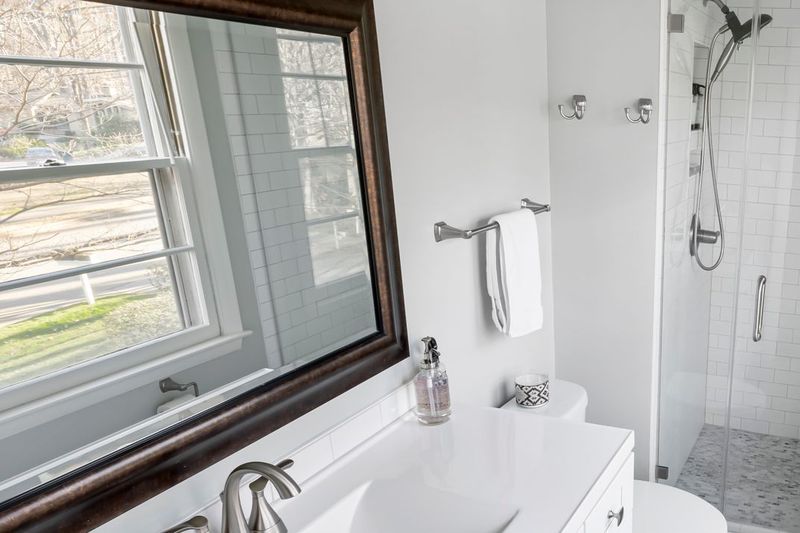 House Systems
That Little “TEST” Button by Your Bathroom Sink Is Asking to Be Pressed. Monthly.
The outlet with two buttons by your sink can cut power faster than a blink. Federal safety officials say test it monthly.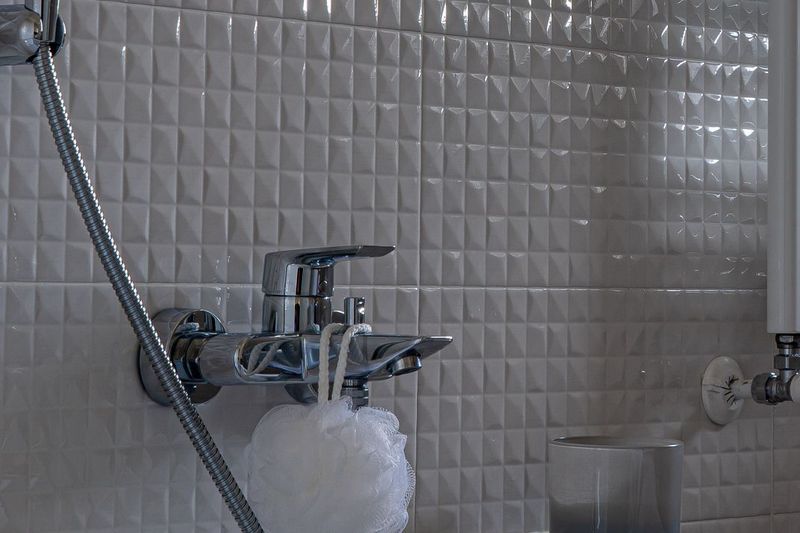 House Systems
The 30-Second Difference Hiding in Your Hot Water Heater
At 150°F, CPSC says most adults get third-degree burns in 2 seconds. At 130°F, burns come in 30. Your water heater decides which.The Back-Door Junk Room Is Centuries Old. The Word “Mudroom” Isn’t.
Colonial New England houses already had a back room for odds and ends. The word “mudroom” didn’t show up until about 1950. Garage
In One UCLA Study, Three Out of Four Garages Had No Room for a Car
UCLA researchers went inside 32 Los Angeles family homes. In 75% of the garages, stuff had pushed the car out. Closet & Storage
Silverfish Don’t Bite Your Books. They Scrape Them.
Silverfish can live about three years, go months without eating, and have a taste for book glue and starched shirts. House Systems
The Gas in Your Basement You Can Only Find by Testing
By EPA estimates, radon is the No. 1 cause of lung cancer among people who have never smoked. You can’t see or smell it. House Systems
The Carbon Monoxide Clues You Can Actually See
You can’t see carbon monoxide. But a federal safety sheet lists warning signs you can, like soot and rust streaks on a vent. Laundry
Most of Your Washing Machine’s Energy Goes Into Hot Water
About 90% of the energy it takes to run a clothes washer goes into heating the water, according to ENERGY STAR. Laundry
One Load of Laundry Once Took Four Hours to Wash. Then the Farmhouse Got Electricity.
In 1900, U.S. households spent about 58 hours a week on housework, says Penn economist Jeremy Greenwood. By 1975: 18. Bathroom
The Medicine Cabinet Is a Poor Place for Medicine
In damp air, aspirin slowly breaks down into acetic acid, the acid in vinegar. Now think about where you keep yours. Living Room
Your Houseplants Are Lovely. They Just Aren’t Cleaning the Air.
To match a building’s normal air exchange, one review calculated you’d need 10 to 1,000 potted plants per square meter. Home Office
The Electricity Your Home Uses While Nobody’s Using Anything
In one NRDC study, devices that were off, asleep or idle used, on average, nearly 23% of the electricity in northern California homes.Sunday, in your inbox
The corner nobody photographs
A weekly letter from Sunday Home — one overlooked room, one thing worth knowing.