We think of a washing machine as a motor that spins. By energy, it’s mostly about something else.
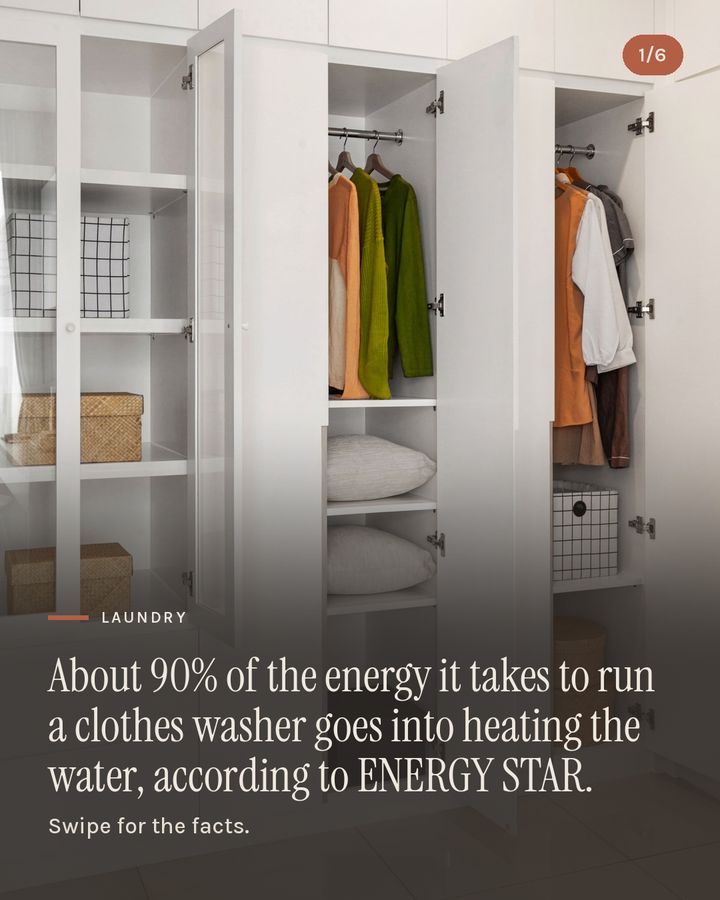
ENERGY STAR, the federal efficiency program, says water heating accounts for about 90% of the energy used to operate a clothes washer. Everything the machine itself does, spinning included, shares what’s left. That changes which button actually matters.
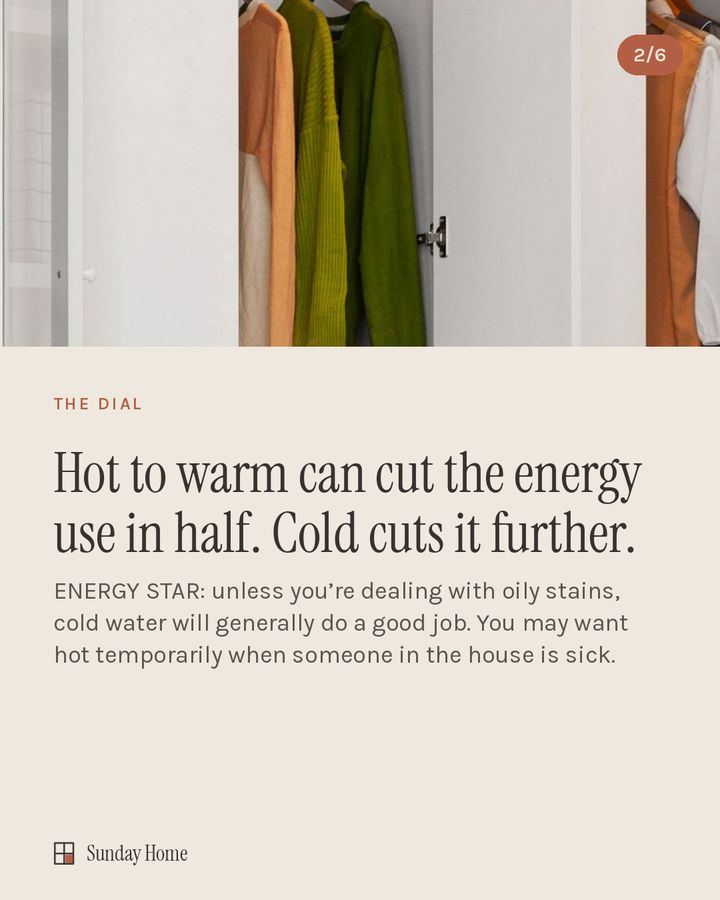
The dial is the lever. ENERGY STAR says switching from hot to warm can cut the energy use in half, and cold cuts it further. Unless you’re dealing with oily stains, it says, cold water will generally do a good job. It does add one exception: you may want to switch to hot temporarily when someone in the house is sick. The extra-hot sanitary cycle on some machines, it notes, raises energy use significantly.
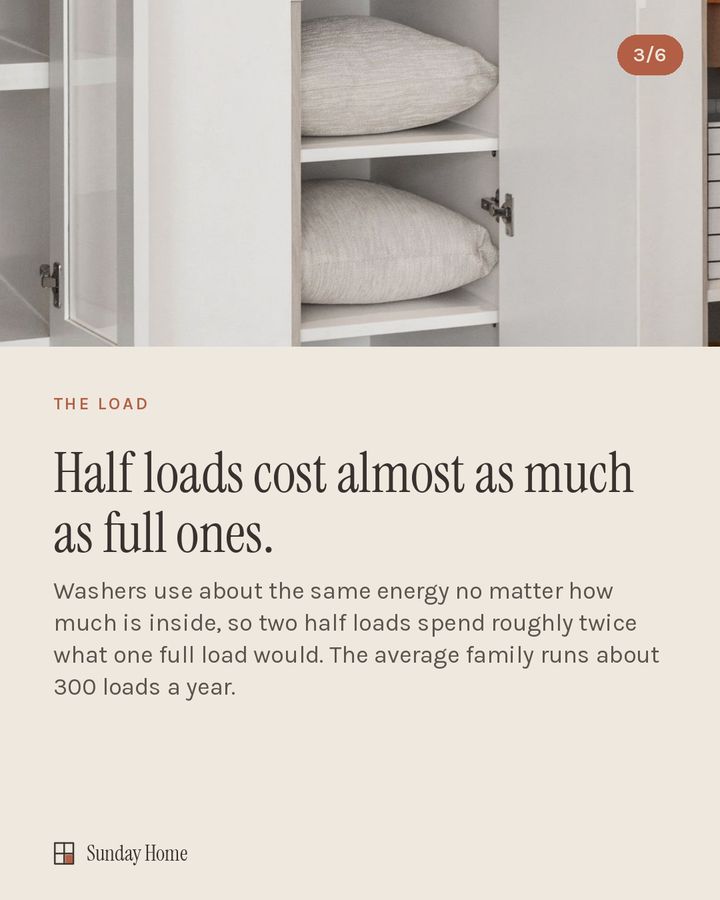
Half loads cost almost as much as full ones. Unlike dryers, washers use about the same amount of energy no matter how much is inside. So two half loads spend roughly twice what one full load would.
The spin saves the dryer. A high or extended spin leaves less water in the clothes, which means less drying time afterward.
And the average American family, ENERGY STAR estimates, runs about 300 loads a year. Small choices repeat a lot.
Now, the smell. If you have a front-loader and it’s ever smelled musty, there’s a design reason. Front-loaders use airtight door seals so water doesn’t leak out during the wash. When the machine sits closed afterward, that same seal can trap moisture inside and lead to mold. ENERGY STAR’s fix costs nothing: leave the door open a little for an hour or two after each load so the moisture can evaporate.
Sunday Home
Try this at home
For your next load:
- Turn the dial to cold, unless you’re dealing with oily stains or someone in the house is sick.
- Wait until you have a full load.
- Pick the highest spin the fabric can take.
- Front-loader? When the cycle ends, prop the door open for an hour or two. Make sure small children can’t climb inside while it’s open.
For deeper cleaning of the drum and seal, follow your owner’s manual. Some manufacturers suggest a monthly cleaning cycle.
Hot, warm or cold: what’s your default setting, and why?
The carousel — scroll sideways

Sources
Everything above is checked against these. Open any of them.
Next story
 Laundry