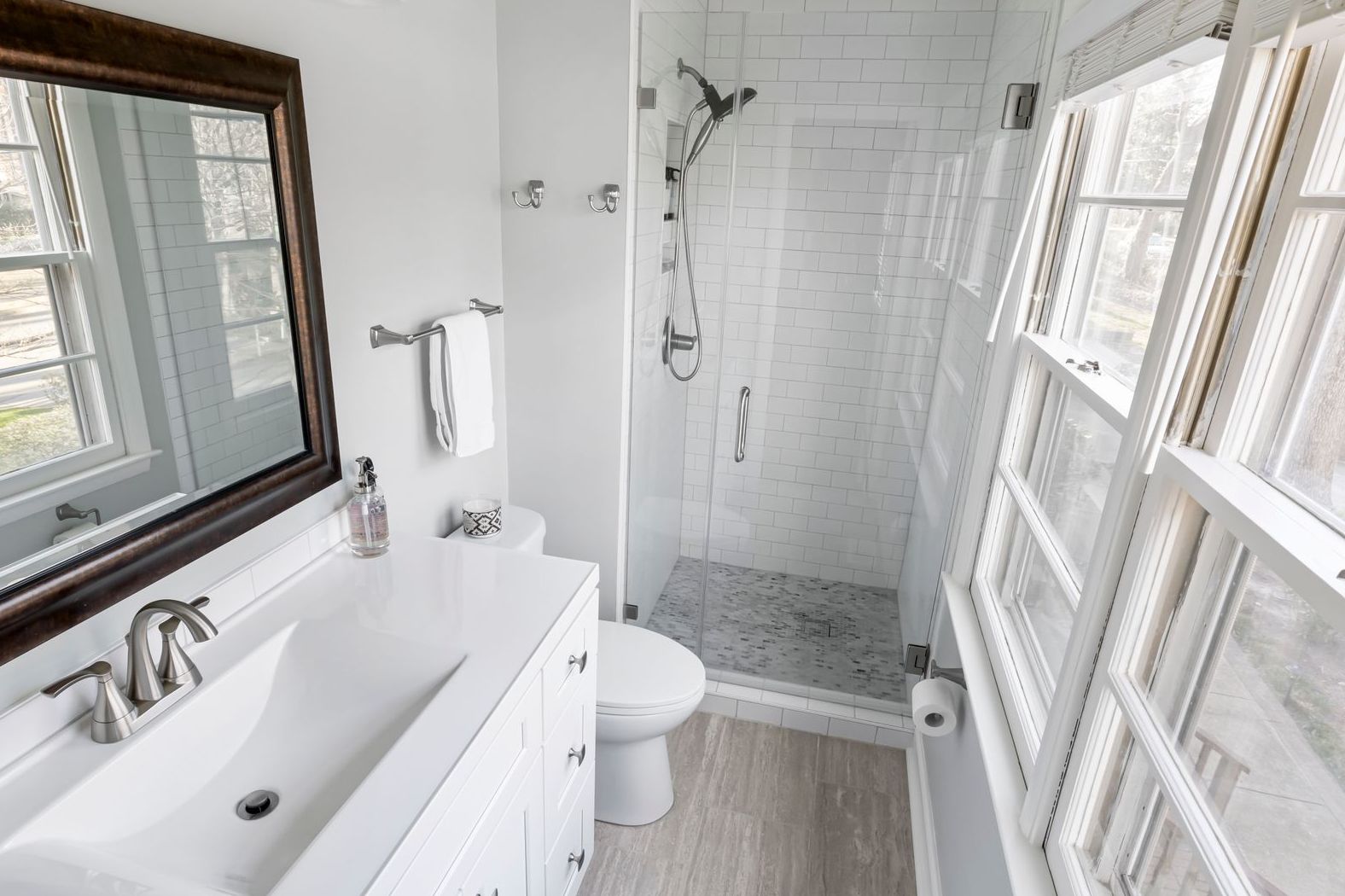
Here’s a reminder of how new the modern bathroom really is. According to the U.S. Census Bureau, nearly half of American homes in 1940 lacked complete plumbing. By 1990, only 1 percent did. In one lifetime, the bathroom went from a luxury to something we stop noticing.
And what we stop noticing, we stop checking.
Inside the tank of most toilets is a rubber flap, the flapper, that holds water in until you flush. Rubber doesn’t last forever. As it wears, water can start slipping into the bowl. Sometimes you hear the tank refilling at random. Often you hear nothing at all.
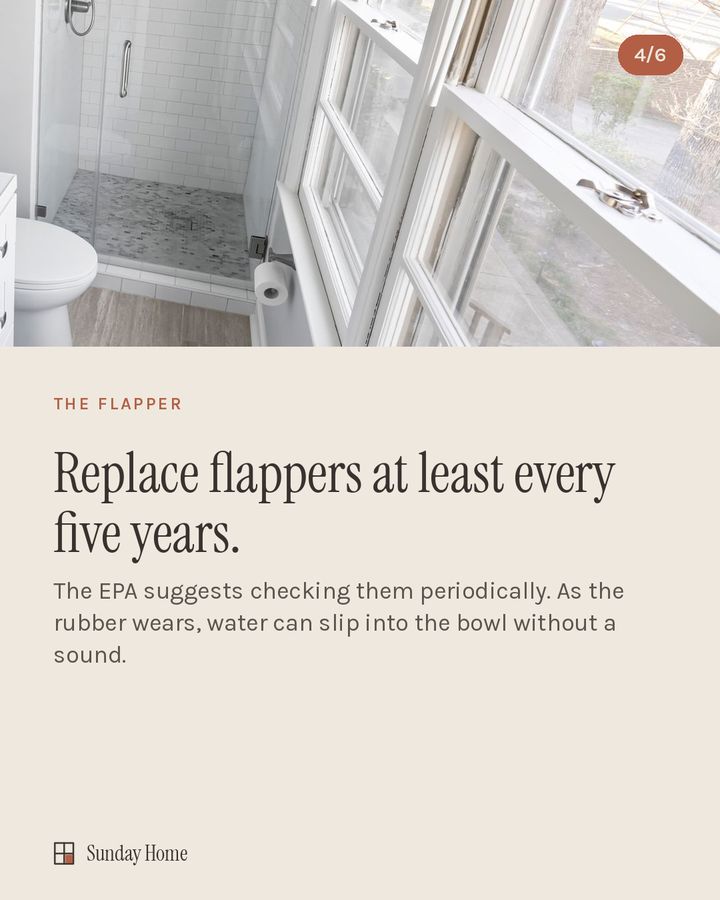
The EPA’s WaterSense program puts some numbers on leaks around the house. An average household’s leaks can waste more than 9,300 gallons of water a year, and about nine percent of homes have leaks wasting 50 gallons or more every day. Toilets aren’t the only culprit in those figures, since dripping faucets and showerheads count too, but a worn flapper is one of the classic silent ones. The EPA suggests checking flappers periodically and replacing them at least every five years.
The best part is how low-tech the test is.
Sunday Home
Try this at home
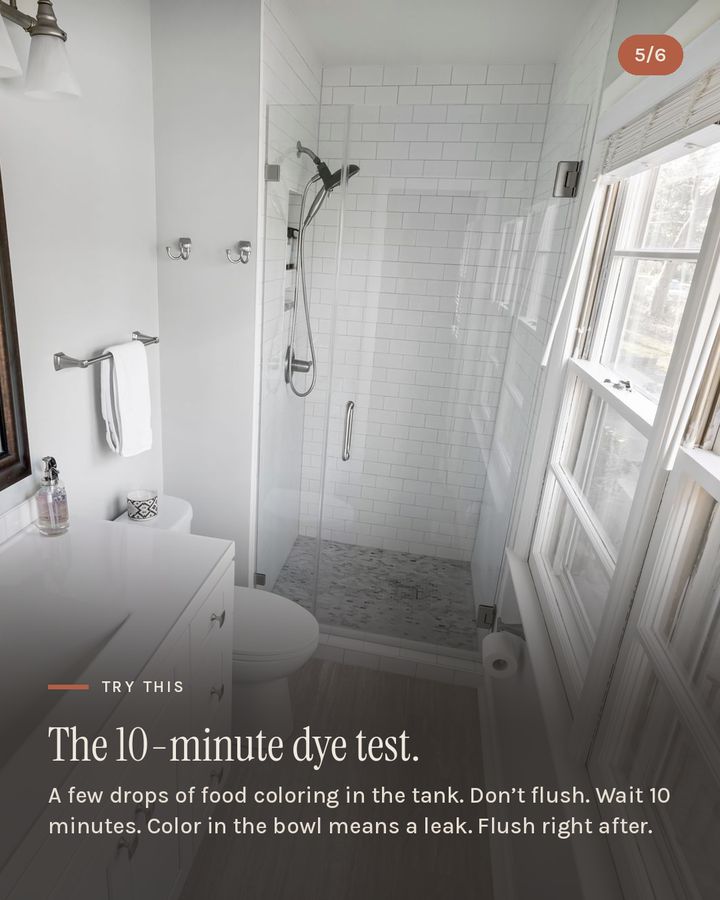
The 10-minute dye test:
- Lift the tank lid and add a few drops of food coloring to the water in the tank.
- Don’t flush. Wait 10 minutes.
- If color shows up in the bowl, water is leaking past the flapper.
Flush right after the test so the dye doesn’t stain the tank. A flapper is one of the simpler bathroom repairs. Take the old one with you to find a match, and if anything beyond the flapper looks cracked or corroded, call a plumber.
While you’re in there: find your home’s main water shutoff valve before you ever need it. San Francisco’s water utility says most main shutoffs are on the outside of the house or just inside the property, in line with the water meter, though in some homes the valve is in a garage, basement or closet. A ball valve closes with a quarter turn. An older-style gate valve turns clockwise until it stops. Every home is set up a little differently.
Did you do the dye test? Tell us: clear bowl, or a surprise?
The carousel — scroll sideways
Sources
Everything above is checked against these. Open any of them.
- U.S. Census Bureau, Historical Census of Housing Tables, Plumbing Facilitieshttps://www.census.gov/data/tables/time-series/dec/coh-plumbing.html
- EPA WaterSense, Fix a Leak Week (9,300 gallons, 9% of homes, dye test, flapper)https://www.epa.gov/watersense/fix-leak-week
- SFPUC, Home Water Shutoff Valvehttps://www.sfpuc.gov/learning/emergency-preparedness/home-water-shutoff-valve
Next story
 Bedroom