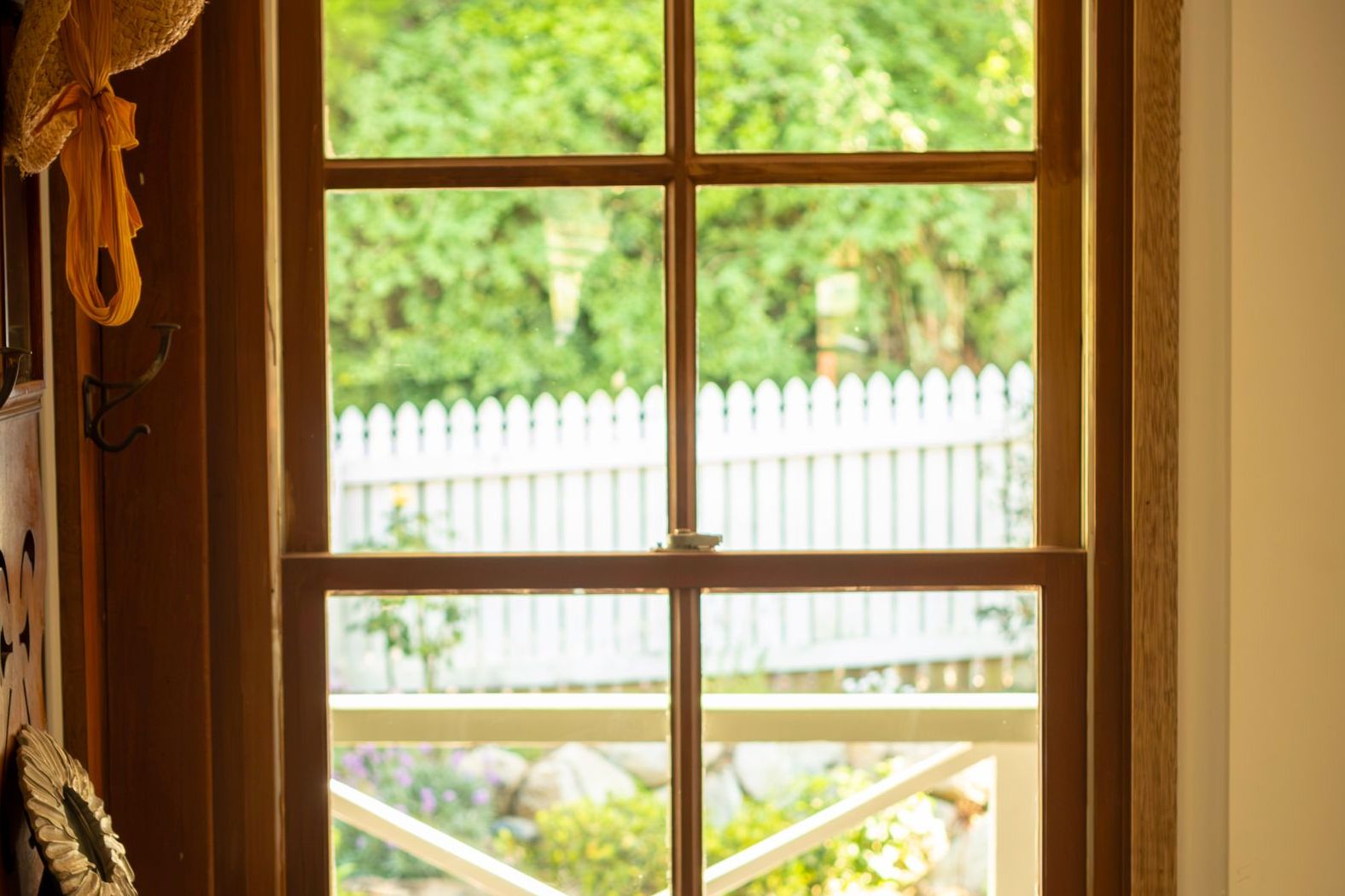
Merriam-Webster dates the first known use of “mudroom” to around 1950. For a space that feels as old as farmhouses themselves, that’s surprisingly recent.
A back room for the house’s leftovers came long before the name. In an essay for the What It Means to Be American project, a former professor who now farms in Rhode Island describes studying 18th-century New England probate records. When a landowner died, neighbors walked the house room by room and listed everything so the estate could be taxed.
The most interesting part of those inventories, he writes, was the lean-to at one end of the kitchen, which sat at the back of the house. That’s where the committees found the household’s odds and ends: broken tools, a box of old junk and, in one inventory, a parrot in its cage. It was a junk drawer the size of a room. As families prospered and built bigger houses, some turned the original house into a “Little House” for storage, a spot for woodpiles and tools on the way out to the privy.
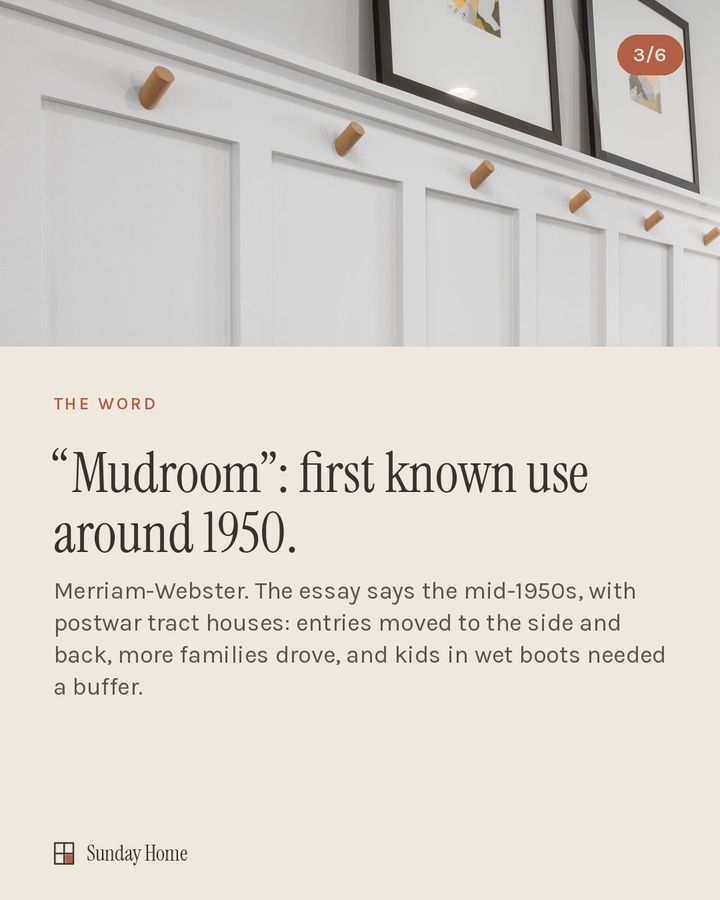
According to the same essay, the word itself arrived with postwar tract houses in the mid-1950s. Informal entries moved to the side and back of the house, more families drove, and buyers wanted a buffer between the garage and the living space, largely for kids in raincoats and wet boots. (Merriam-Webster’s “circa 1950” and the essay’s “mid-1950s” point to the same postwar moment.)
So today’s mudroom does two jobs, one new and one very old: catching what the outdoors brings in, and hiding what the house doesn’t want on display.
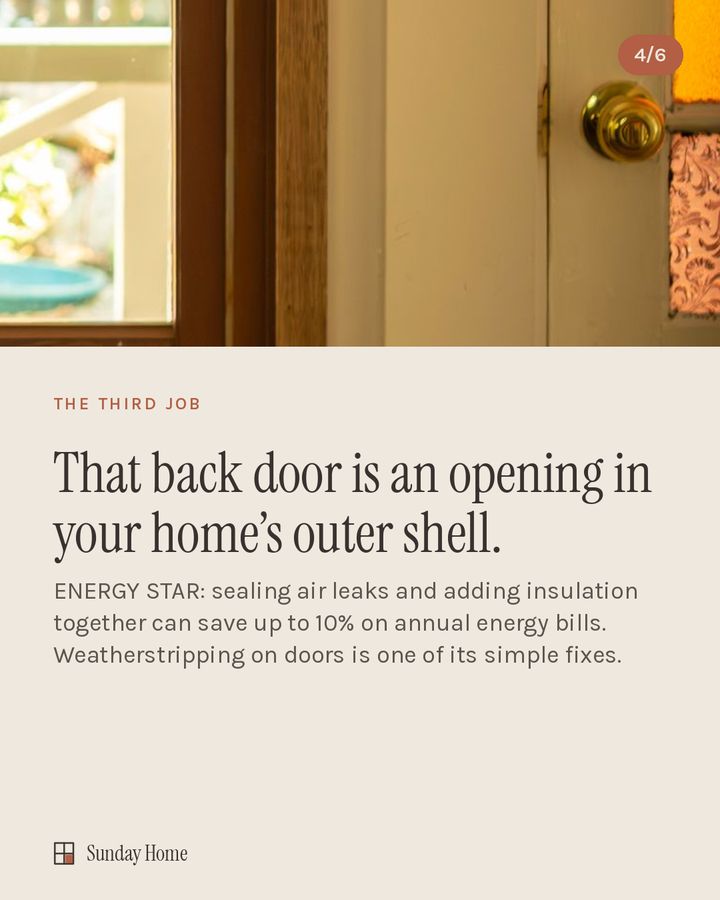
There’s a third job that’s easy to forget. The door into that room is one of the openings in your home’s outer shell. ENERGY STAR says sealing air leaks and adding insulation can save up to 10% on annual energy bills, and it lists weatherstripping on doors among the simple fixes.
Sunday Home
Try this at home
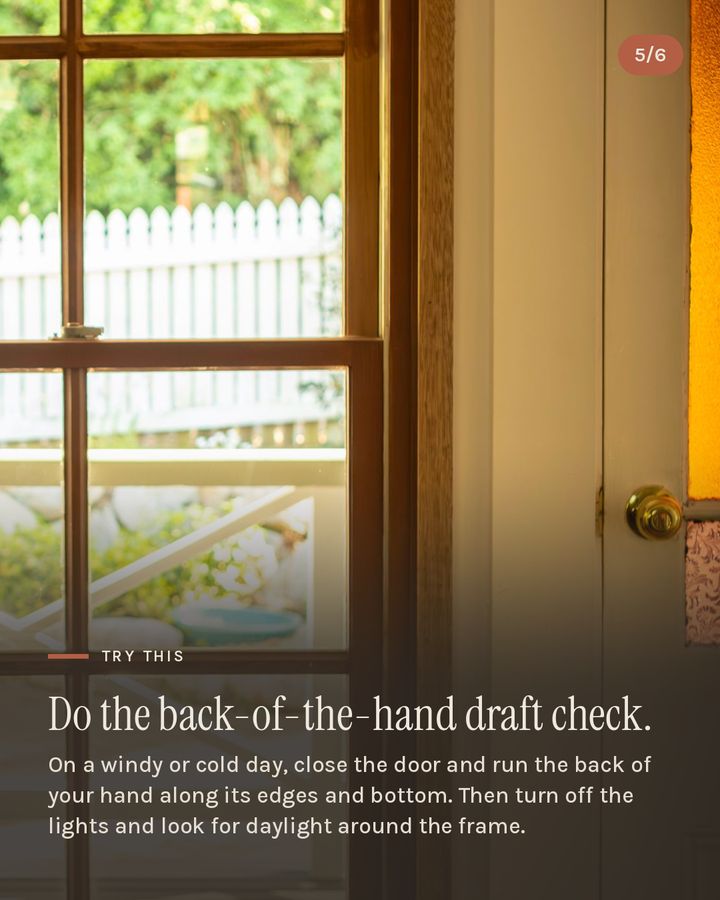
The back-of-the-hand draft check:
- Wait for a windy or cold day.
- Close the door to your mudroom, back entry or garage.
- Slowly run the back of your hand along the edges and the bottom of the door.
- Then turn off the lights and look for daylight around the frame.
A draft you can feel or a gap you can see is a good sign the weatherstripping needs attention.
Do you have a real mudroom, or is it a hook, a bench and a pile of shoes by the back door?
The carousel — scroll sideways
Sources
Everything above is checked against these. Open any of them.
- Merriam-Webster, “mudroom” (First Known Use: circa 1950)https://www.merriam-webster.com/dictionary/mudroom
- What It Means to Be American, “The Puritans Didn’t Have ‘Mudrooms’,” April 28, 2015 (probate inventories, lean-to with “a parrot in its cage,” the “Little Houses,” term “first appeared in the mid-1950s” with tract houses, side and back entries, cars, transitional space between garage and house)https://whatitmeanstobeamerican.org/places/the-puritans-didnt-have-mudrooms/
- ENERGY STAR, Seal and Insulate (up to 10% savings on annual energy bills; weather stripping on doors as a simple fix)https://www.energystar.gov/saveathome/seal_insulate
Next story
 Garage